Reception and Printing
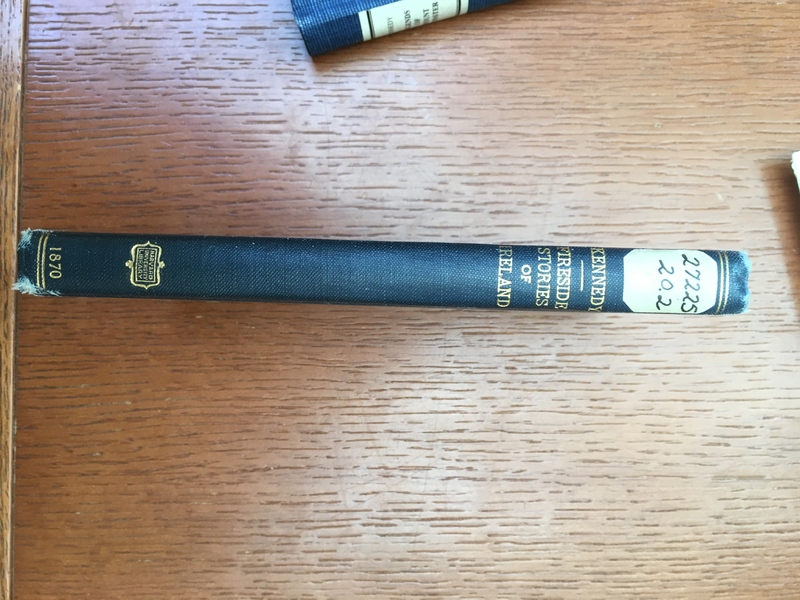
There are two principle ways to assess the readership of Patrick Kennedy’s book. The first is by examining the text in its particularity. How was this individual copy used? The second form is the book as part of its print run, all the texts that were printed in this particular edition and form.
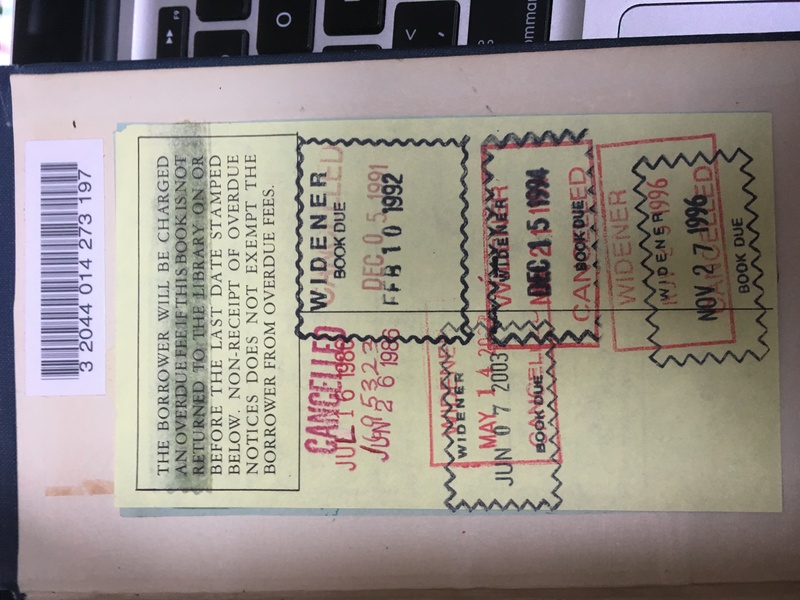
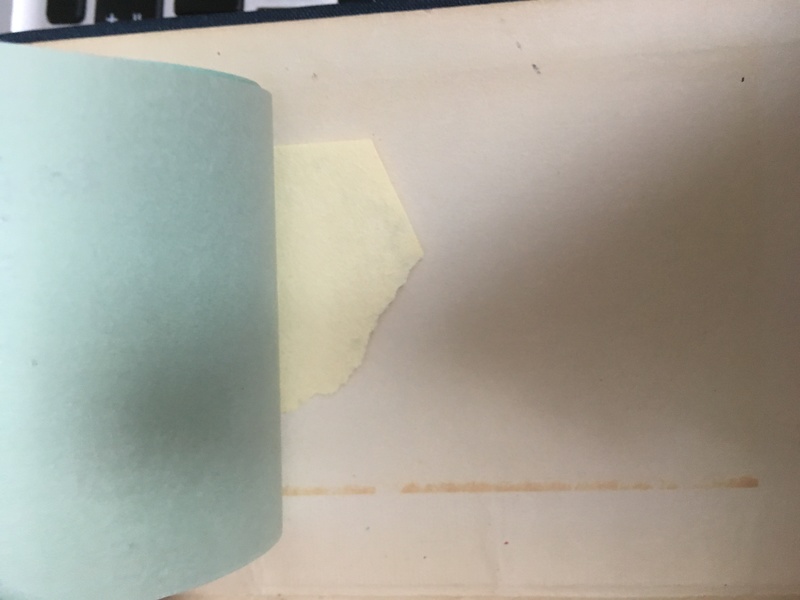
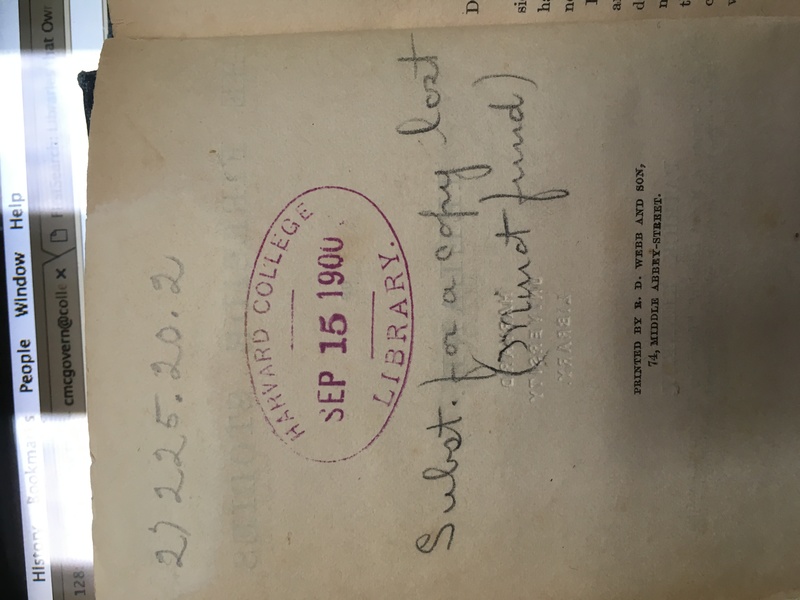
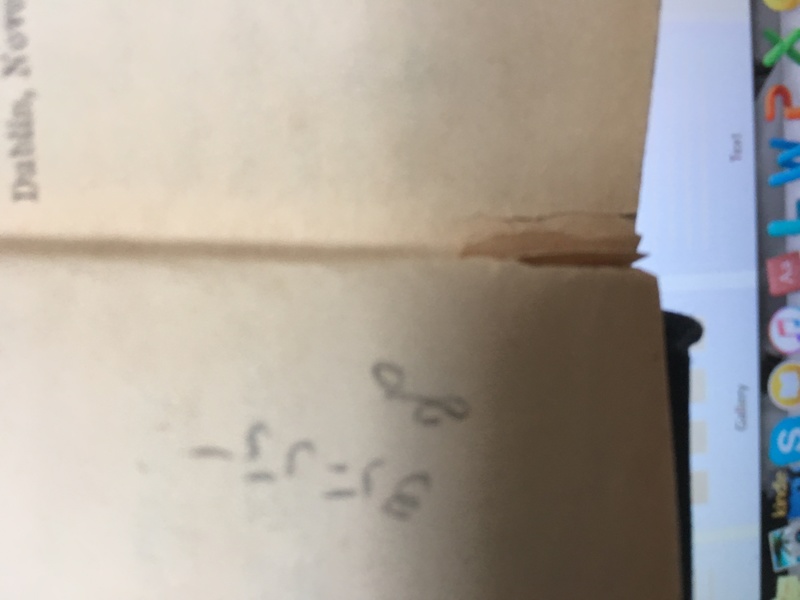
There are multiple library loan sheets in the back of the book, and evidence of older ones, which have been ripped out. Earliest date of loan is 1967. So these slips, although they indicate numerous loans between 1967-2003 and show evidence of earlier slips, do not tell us the initial popularity of the text. Indeed the stamp-loan date system likely post-dates the initial acquisition of the book by Harvard Library. However, penciled in at the front of the book are a number of library notations. One note underneath the acquisition stamp stating “Sep 15 1900” states “subst. for a copy lost.” This note in conjunction with the date of acquisition tell us that this was not the initial purchase of the book, which we can suppose was closer to the date of publication. It also tells us the book was lost. This demonstrates that the book was being checked out of the library, and was lost. At the bottom of this page there is also a note “35-55 20,” according to Houghton librarian James Capobianco, this is a librarian note indicating the book was rebound in 1920. Although we have no knowledge of the initial binding quality, there was enough wear on it in its first 20 years at the library to warrant a new binding. This also suggests a popularity of the text among Harvard affiliates.
Taking into account the movement of the book within the library system, it is also important to note the particular library system. The book, this particular copy being purchased in 1900, predates Harry Widener’s collection. I would posit that this indicates the significance of the book that it was purchased by the library prior to the library becoming the size it is today or the intentionality to possess a collection that is as broad as it is deep. This book was purchased, not once but twice, showing its importance or popularity. Also important is that this book is owned and has been owned since sometime prior to 1900 by Harvard Library, not a public library or a private library, but a university of noted high caliber at the time. Although this does not discount that this might have been light, personal reading by a student, it suggests that it was likely the subject of more close reading and study.
Broadening the lens beyond this singular book, to the text itself the Author’s preface provides insight into how he felt the book ought to be read and by whom. He begins his preface by explaining where the stories come from and how the growth of cheap texts has sounded the demise of oral story telling. He then states regarding the stories, “I have endeavored to present them in a form suitable for the perusal of both sexes and all ages.”[1] Although this points to the widest possible readership for the text, it does not seem to be so for the preface. Indeed this line about readership is issued almost as an excuse for the type of writing found in the book. Following this statement Kennedy discusses different elements, which the “matter of fact reader” may notice. These principally regard pronunciation and how it varies in different rural settings. Kennedy also notes that many of these stories have appeared in the Dublin University Magazine, and expresses his gratitude at being afforded the opportunity to produce a compiled edition. He then ends his note expressing his hope that the following tales will bring joy and reminisces to both the young and old who read it. Kennedy’s acknowledgment of aspects of the text, which, he notes, to a learned reader may seem low-brow follow his purpose of making the stories accessible to everyone. By following this with in depth discussion of pronunciation Kennedy provides a means for the learned reader to engage with the text. This preface seems to be geared toward the “sophisticated” reader. Perhaps Kennedy assumed that those reading for intellectual value were more apt to read a preface, while those solely interested in the tales would skip right to chapter one. In this sense though, Kennedy was attempting to not only produce a text with the purpose of preserving folktales and bringing joy to the average reader, but also to engage with the intellectual strata of the folktale genre.
[1] Kennedy, VIII.